
Improving the Health of Americans through Prevention and Management of Diabetes, Heart Disease, and Stroke
The National Diabetes
and Cardiovascular Health Program

Funded through the U.S. Centers for Disease Control and Prevention (CDC) and in partnership with the Oklahoma State Department of Health (OSDH), the National Diabetes and Cardiovascular Health Program (2320/2304) aims to identify the most effective strategies for supporting individuals at high risk for diabetes and cardiovascular disease (CVD) using evidence-based methods. Beyond addressing diabetes and heart health, it emphasizes equity by examining how factors such as socioeconomic status, environment, and other social determinants influence health outcomes. The goal is to ensure that healthcare systems, including doctors and hospitals, are aware of community-specific challenges and are optimized to serve individuals facing greater health risks. Ultimately, the project seeks to provide all individuals, regardless of their circumstances, with the best possible opportunities for maintaining good health.

What do we do?
-
We provide expert EHR technical assistance and empower healthcare providers with education on evidence-based lifestyle interventions, improving the quality of care for patients in Oklahoma managing diabetes and cardiovascular disease.
-
We work to bridge the gap between clinical care and everyday needs by connecting patients living with diabetes and cardiovascular disease to essential social resources—such as food, transportation, utilities, and more. Through trusted local county health departments and dedicated community health workers, we help ensure patients have the support they need to better manage their health and live fuller lives.
-
We offer trusted education and practical tools to help you better manage chronic conditions like diabetes and heart disease. Our resources come from a variety of reliable, evidence-based sources—including CDC-approved programs and MyPlate guidelines—so you can make informed choices that support your long-term health and well-being.

Who do we serve?
-
While we support the health of all Oklahomans, our efforts are especially focused on individuals living with diabetes and cardiovascular disease in state-designated high-priority counties—where the need is greatest and the impact can be life-changing.
-
Our goal is to empower healthcare providers with knowledge of social services and evidence-based interventions—promoting stronger care coordination and helping patients lead healthier, more fulfilling lives.
-
We value the strength and resilience of Oklahoma’s communities—especially those in rural areas. Our mission is to empower these communities with knowledge, connections, and access to vital social services and resources that support healthier lives.
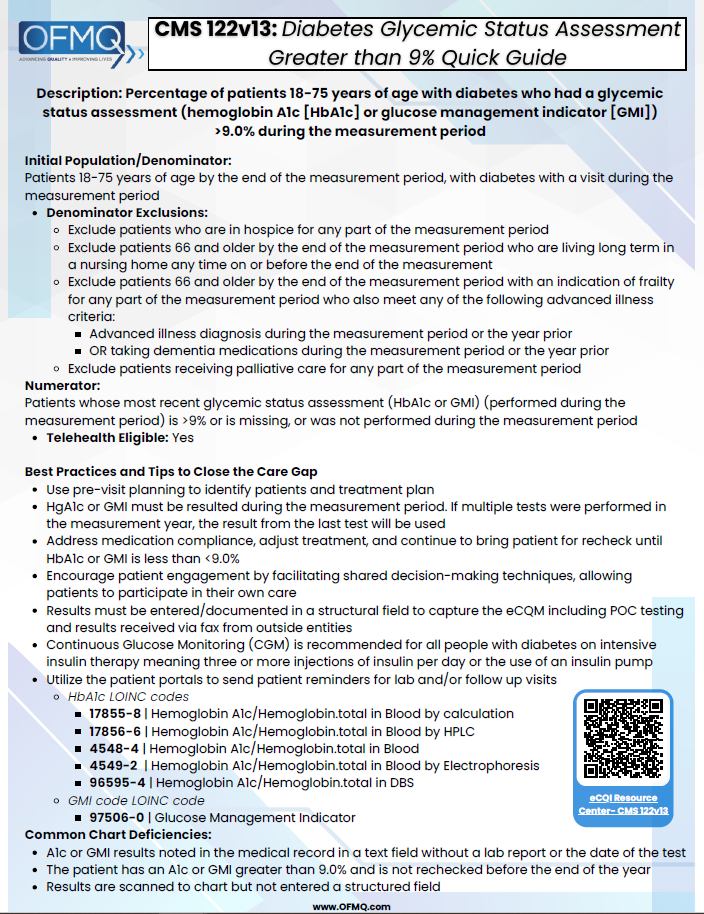
Free Diabetes Measure Guide
Click the image below to expand and download.
Diabetes Prevention

You can prevent or delay type 2 diabetes with proven, achievable lifestyle changes—such as losing a small amount of weight and getting more physically active—even if you’re at high risk.
Before developing type 2 diabetes, most people have prediabetes; their blood sugar is higher than normal but not high enough yet for a diabetes diagnosis. Prediabetes is really common – 96 million US adults have it, though more than 80% of them don’t know they do. The good news is that prediabetes can be reversed.
Diabetes Self-Management
Education and Support

Support Programs
Conversation Maps


Find an available class through your County Health Department
and contact your local Community Health Worker!

Click the map to expand and download.
Lifestyle Change Program
(Diabetes Prevention Program)
Understanding Blood Pressure Readings
Quick Facts from the American Heart Association
High blood pressure can lead to serious health problems.
It’s important to have your blood pressure measured and to understand what your numbers mean.

Monthly Newsletter
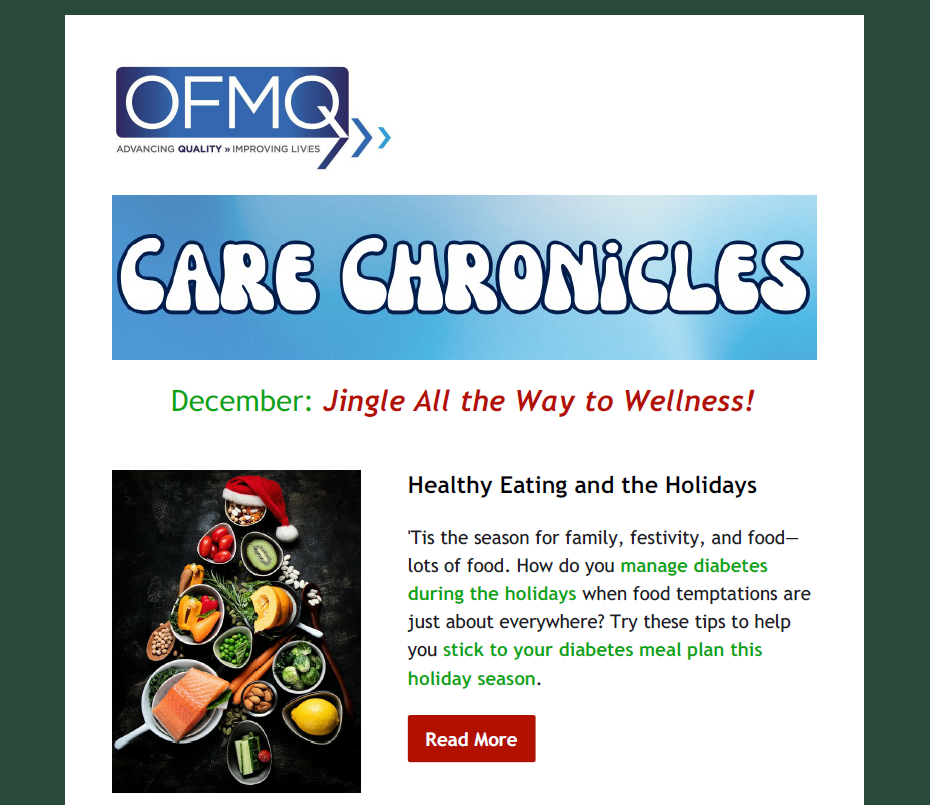

Click to expand and download.